
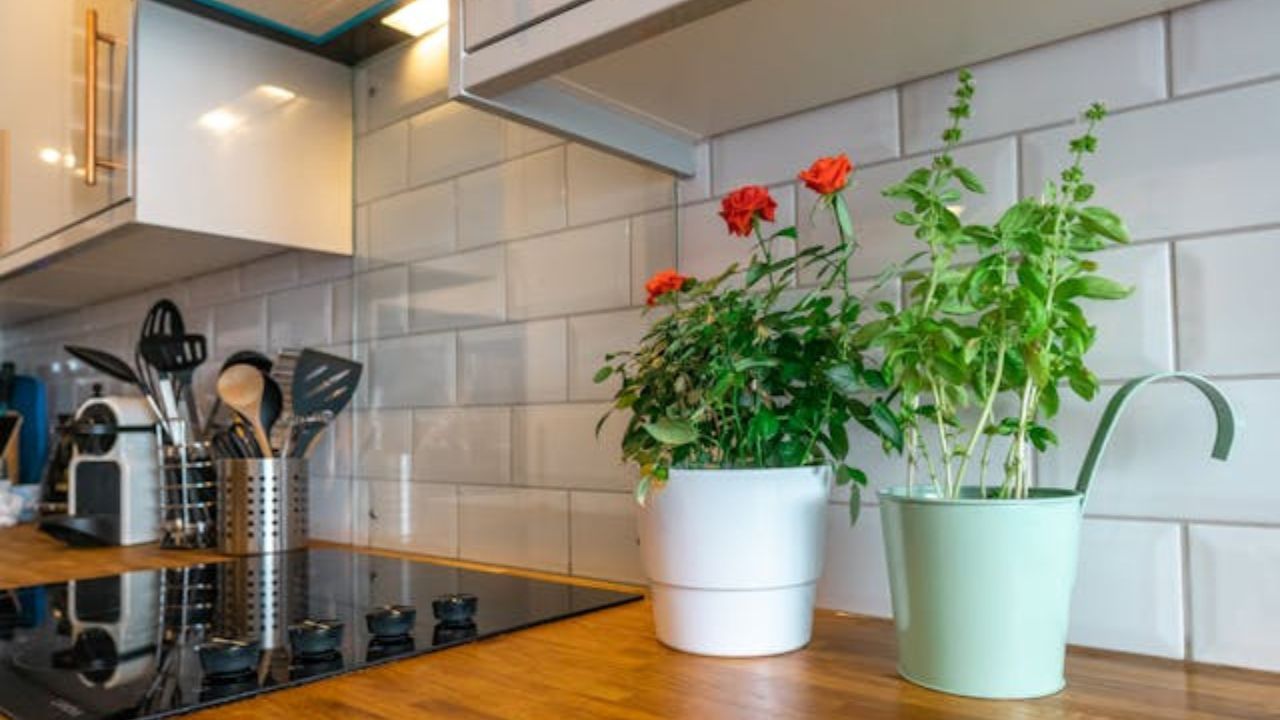
Organizing your kitchen like a true chef can completely transform the way you cook and even how you enjoy the space. After all, in professional kitchens there is no room for clutter: every utensil, pan, or ingredient needs to have a clear function and be within reach.
+ 6 worst colors to use in the kitchen (and which to choose)
According to Homes & Gardens, top chefs all agree on one point: efficiency is not just about speed or technique, but also about simplifying the workspace. By adopting this mindset at home, you can make your kitchen much more functional, practical, and enjoyable.
The portal gathered advice from renowned chefs such as Maricel Gentile, culinary ambassador, and Steve DiFillippo, restaurateur and owner of Davio’s, who shared three simple steps to organize your kitchen like a professional cook.
1. Keep everything visible and simplify
According to Homes & Gardens, the first step to an organized kitchen is the “open-air rule”: keep your utensils and ingredients in transparent containers. This makes it easier to see everything, prevents unnecessary accumulation, and helps you notice when something is broken or expired.
Chef Maricel Gentile recommends reviewing your kitchen every few months:
- If something hasn’t been used for a long time, store it elsewhere.
- If it remains forgotten, donate or sell it.
Steve DiFillippo goes even further: “If you haven’t used something in a week, it’s time to get rid of it. There’s no space for fancy gadgets that only come out of the box once a year. Keep it simple and keep everything within reach.”
Extra tip from the portal: if you love special utensils, store them together in transparent boxes, so they’re accessible only when needed and don’t take up daily counter space.
2. Organize into workstations
Professionals work with clearly defined stations — and you can apply this at home. According to DiFillippo, separating items by categories (prepping, cooking, plating, etc.) helps eliminate duplicates and keeps only the essentials.
Homes & Gardens reinforces: it’s not about having many utensils, but the right ones. Invest in a few high-quality items, such as:
- Professional stainless steel pans (more durable than multiple flimsy nonstick ones).
- A good sharp chef’s knife (more useful than a huge set of impractical knives).
In addition, using the kitchen triangle (sink, stove, and fridge) as a reference for organizing each station makes workflow faster and more natural.
3. Adopt the FIFO method
Finally, the site reminds that preventing clutter is more effective than fixing it later. That’s why chefs recommend the FIFO system (First In, First Out), meaning “the first item in is the first one out.”
This method applies not only to food but also to utensils. This ensures rotation, prevents waste, and keeps everything in order.
To make it easier, Homes & Gardens suggests:
- Layered shelves for organizing cabinets.
- Bamboo dividers in drawers to keep each utensil in its place.
- A monthly “review day” to reassess if something is out of place.
Professionals also recommend adopting a kind of daily “shift closing” inspired by restaurants: before bed, spend a few minutes cleaning, putting things away, and preparing the kitchen for the next day.
Where to store each item in the kitchen?
According to experts consulted by Homes & Gardens, organization should follow the logic of use:
- Pots and pans near the stove.
- Mugs near the coffee maker or kettle.
- Dishes near the sink or dishwasher, making storage easier.
The golden rule is: everything in its place, and counters always clear. This not only creates more practicality but also a sense of peace and flow in the space.
Organizing your kitchen like a chef doesn’t mean having expensive equipment, but rather simplifying, dividing into stations, and applying FIFO. As the chefs interviewed by Homes & Gardens highlight, less is more — as long as it’s functional and always within reach.
Source: Homes & Gardens. This content was created with the help of AI and reviewed by the editorial team.
